Heating is one of the few running costs you can cut without touching the guest experience — if you stop heating an empty flat to full living temperature. Swiss Federal Office of Energy guidance puts the saving at about 6% of heating cost per degree of room temperature you lower, which adds up across the gaps between stays in a Montreux winter.[1]
Heating between guests at a glance
- Living areas
- Around 20–21°C is the usual comfort range in Swiss guidance[2]
- Rarely used rooms
- About 17–18°C is common; 18°C is described as enough for rooms empty during the day[2]
- Saving per degree
- About 6% of heating cost per degree lowered (SFOE); another SFOE document gives 6–10% for buildings[1]
- The catch
- Guests expect a warm flat on arrival, so setback must be paired with pre-heating before check-in
- Never
- Switch heating fully off in a vacant flat in winter — keep a frost-protection minimum
Short answer: between stays, lower the thermostat several degrees below the 20–21°C guest setpoint — each degree saves about 6% of heating cost — then schedule heating back up a few hours before check-in so the flat is warm on arrival. Never turn heating fully off in winter.[1][2]
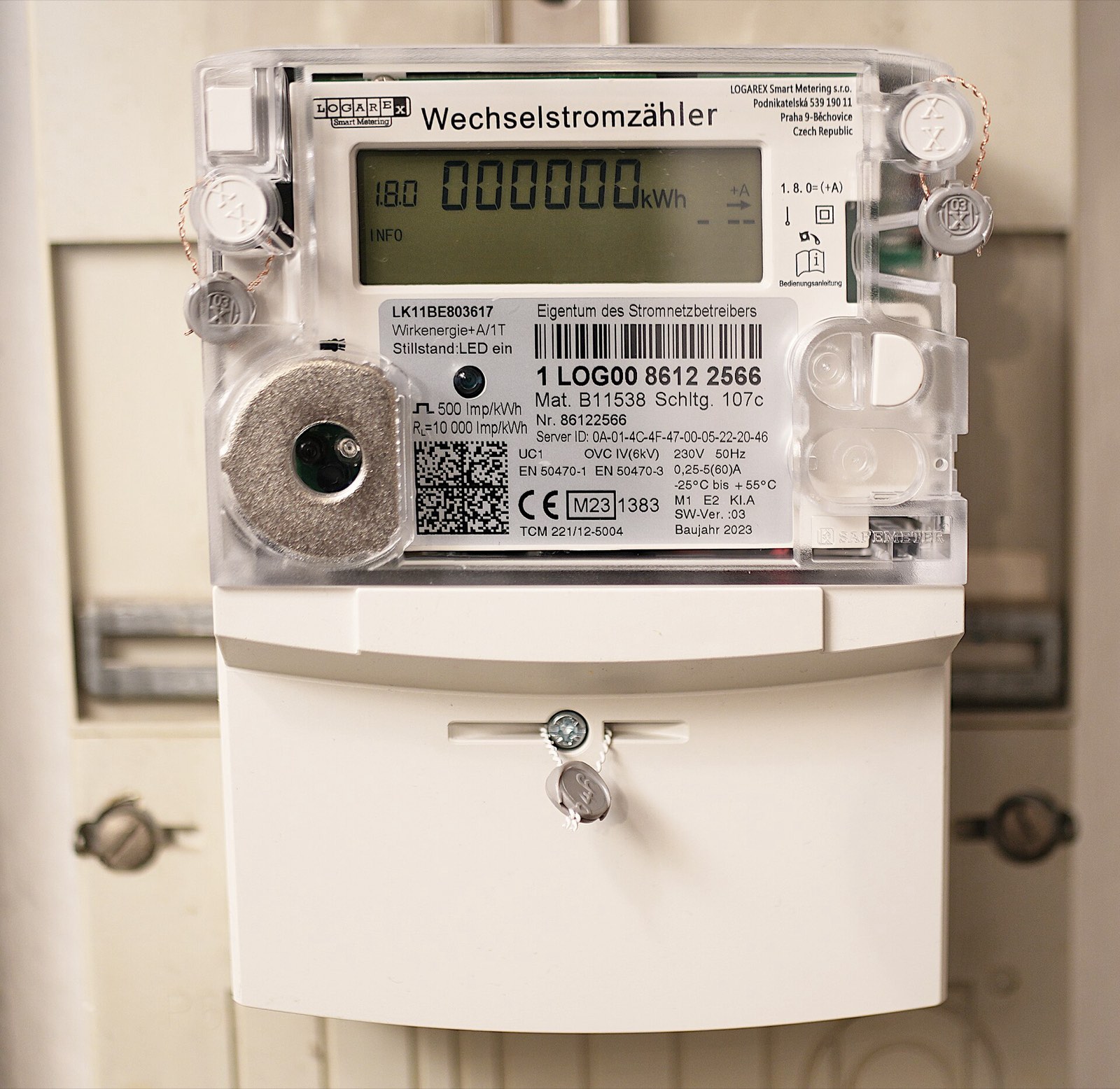
Photo: RobbieIanMorrison, CC BY 4.0, via Wikimedia Commons
In this guide
Setpoints that work
Swiss household guidance puts living rooms and kitchens at around 20–21°C and rooms used less at roughly 17–18°C.[2] For a rental, use the upper end while guests are in the flat, and the lower end — or lower still, within your heating system’s limits — when it is empty between stays. Bedrooms can run a degree or two cooler than the living area without guests noticing, particularly with good bedding.
What a degree is worth
The Swiss Federal Office of Energy states that lowering room temperature by one degree saves about six per cent of heating costs; another SFOE document gives a wider 6–10% range for buildings.[1] Illustration only (our assumption, not a sourced figure): if your apartment’s annual heating cost is CHF 1'800, each degree of setback across a full season is worth roughly CHF 108 at 6%. A flat that is vacant a third of the time captures a share of that, depending on how long and how far you set back. Heating costs in many condominiums are billed through ancillary charges — see our running-costs guide for how these fit into the wider budget.
Pre-heating for check-in
The saving only works if guests do not walk into a cold flat. Schedule the heating to return to 20–21°C a few hours before the expected check-in time; the right lead time depends on the building, the radiators or floor heating, and the outside temperature, so test it on a cold day and adjust. Late check-ins and early arrivals are the failure case: build in margin, and tell self check-in guests how to boost the heating (see our digital guidebook guide).
Frost protection when vacant
Do not switch heating off completely in a vacant winter flat: pipes and the building fabric need a minimum temperature. Use the minimum setpoint recommended in your heating system’s manual or by your installer or property manager, and make sure the system will not be switched off by a guest or a cleaner. After any vacant period of days, check radiators and taps on arrival. Frost damage is a maintenance event — see our maintenance reserve guide for budgeting repairs.
Thermostats and automation
Programmable or smart thermostats make setback and pre-heating automatic, and many connect to your booking calendar through a channel manager or the thermostat’s own scheduling. Whatever you install, keep a simple manual override for guests, set limits so the heating cannot be pushed to extremes, and confirm with the condominium (PPE) rules and the building’s heating system — in a collective system you may only control the radiator valves, not the central setpoint.
Guest comfort and complaints
Cold-flat complaints cost far more in reviews than the energy saved, so err on the side of warmth during stays and treat setback as a vacant-period tool only. A note in the guidebook explaining how the thermostat works avoids most complaints, and our readiness checklist and winter rental guide cover the rest of winter preparation.
Want us to run the flat for you?
RivieraHost handles heating schedules, check-in preparation and winter checks for Montreux owners. Tell us about your apartment.
Contact usRelated reading: Running costs 2027 · Maintenance reserve · Winter rental guide

10+ years in hospitality. BBA Hospitality (Glion), MSc Tourism (FHGR), MSc Data Science (HSLU).
Frequently asked questions
What temperature should a short-term rental be heated to?
Swiss guidance puts living areas at around 20 to 21°C and rarely used rooms at about 17 to 18°C. Use the upper end during stays.[2]
How much does lowering the thermostat save?
The Swiss Federal Office of Energy states about 6% of heating costs per degree lowered; another SFOE document gives 6 to 10% for buildings.[1]
Should I turn the heating off between guests?
Not completely in winter. Lower it to a setback temperature and keep the frost-protection minimum your installer recommends, then pre-heat before check-in.
How early should heating start before check-in?
A few hours is a common starting point, but it depends on the building and the weather. Test on a cold day and adjust.
Do smart thermostats work in condominium buildings?
Often only partly: in a collective heating system you may control just the radiator valves, not the central setpoint. Check the condominium rules and the system.
Sources
- Swiss Federal Office of Energy (SFOE/BFE) — energy-saving guidance: about 6% of heating cost per degree (and a 6–10% range in a second publication) — pubdb.bfe.admin.ch
- Homegate — Heating: what temperature should each room be? — homegate.ch