For years, "short-term rental" in Montreux has meant weekend and week-long lets. But a quieter, arguably healthier segment has been growing underneath the headline numbers: monthly and extended stays of 30 nights or more. Relocating professionals, corporate assignees, expats who cannot secure a Swiss lease, and longer-term guests are renting furnished apartments by the month — and the demand is being driven by forces far beyond tourism.
This guide explains why extended stays are rising on the Swiss Riviera in 2026, what the numbers actually show, and how a Montreux owner can decide whether the monthly segment belongs in their strategy.
Key points: extended-stay demand in Montreux is rising on the back of a very tight Swiss rental market (national vacancy around 1%) and corporate and expat relocation, not just tourism. Airbnb now operates a dedicated "Monthly stays" category for Montreux. For owners, month-long lets mean fewer turnovers, lower cleaning and management cost per night, and steadier occupancy that fills the winter — often a better net result than nightly lets, even at a lower nightly rate. Montreux has no strict 90-night cap like Geneva, but registration, tourist tax and a compliant, comfortable property still decide whether it works.
⚠️ This is general information, not legal or tax advice. Rules differ by commune and canton, and your building’s regulations can restrict extended letting. Confirm your own registration, tax status and covenants before choosing a longer-stay strategy.
In short: yes, monthly and extended stays are one of the fastest-growing ways to let in Montreux in 2026 — driven by housing scarcity and relocation, not only tourism. Done right, a 30+ night strategy can stabilise income and lower your cost per booking, and it costs nothing to test alongside nightly lets.
In this guide
Why extended-stay demand is growing in Montreux
The biggest driver of extended-stay demand on the Swiss Riviera is not holiday tourism. It is Switzerland’s extraordinarily tight rental market. The national rental vacancy rate has hovered around 1% in early 2026, with Zurich and Zug at roughly 0.3% — among the tightest in Europe. Finding a standard Swiss apartment as a new arrival is genuinely hard: landlords receive dozens of applications, and a newcomer without a Swiss bank account, references or fluent French or German is at a structural disadvantage.
That gap is precisely where furnished monthly rentals sit. A relocating engineer, an expat on a limited permit, a consultant on a six-week project, or a family waiting on a permanent lease does not want a hotel and cannot win a classic Swiss lease — so they book a furnished apartment by the month. Montreux, with direct rail links to Lausanne and Geneva and the region’s business and event engine, is a natural landing point.
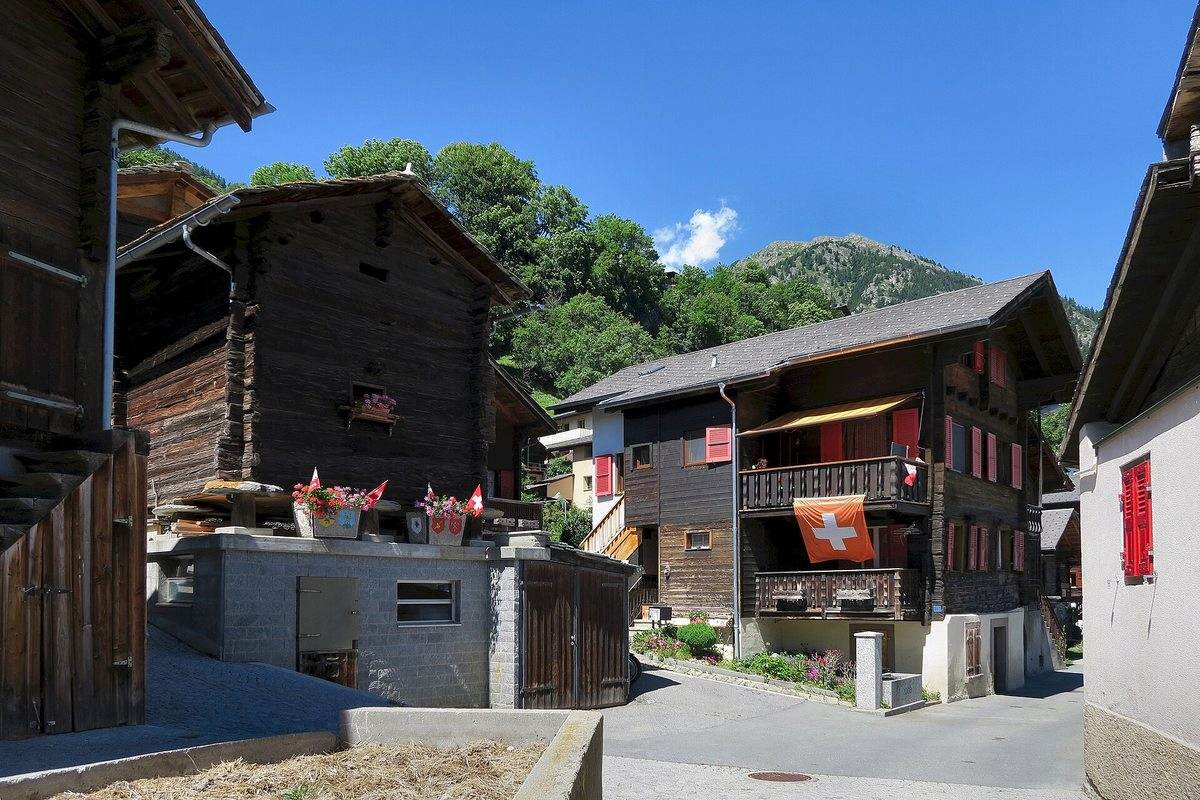
Photo: Kecko, CC BY 2.0, via Wikimedia Commons
.jpg)
Add a second, quieter driver: extended-stay tourism itself is rising. More long-haul visitors are choosing a month in one place over short hops, and Switzerland’s record arrivals give owners recurring, lower-churn demand. When combined, these two forces make the monthly segment structurally more resilient than nightly letting — it is less exposed to a single rainy week or a cancelled weekend.
The numbers: tourism record and housing squeeze
Two sets of official figures frame the opportunity.
Tourism is at an all-time high. Swiss hotels recorded 43.9 million overnight stays in 2025, a third consecutive record (FSO). On the Swiss Riviera, the Montreux-Vevey-Lavaux destination reached an estimated 760,000 to 770,000 overnight stays in 2025 — up 4% year on year and an absolute record (SHMV). International guests from the United States and UK are leading growth, and the reopening of the 2m2c convention centre is set to add business and event demand in 2026.
Housing is scarce. The ~1% national rental vacancy (and far lower in the major cities) means a large pool of relocating people who simply cannot sign a normal lease — and who turn to furnished monthly lets while they settle. This is recurring demand that returns every year as new people arrive, independent of tourist seasons.

Framing: nightly lets capture the peak (Jazz Festival, Christmas Market). Extended stays capture the base — the winter months and shoulders that otherwise sit empty. A portfolio that blends both tends to be more profitable per year than one that only chases peaks.
Monthly vs nightly: how the economics compare
Extended stays usually earn less per night, but the per-booking economics are far better. Here is the direct comparison for a typical Montreux one-bedroom apartment:
| Factor | Nightly lets (2-4 nights) | Monthly stays (30+ nights) |
|---|---|---|
| Nightly rate (approx.) | Higher (peak-driven) | 20-40% lower, negotiated monthly |
| Turnovers / cleanings | 8-15 per month | 1 per month (or none mid-stay) |
| Guest management load | High, constant communication | Very low after check-in |
| Occupancy certainty | Choppy, weather-dependent | Contracted, high fill |
| Winter demand | Weak outside events | Strong (relocation is year-round) |
| Operational cost / night | High (cleaning, linen, refills) | Low |
| Exit cleaning on departure | Included per stay | One full clean per month |
Because there is one check-in, one clean and almost no day-to-day management, a long-stay guest can be more profitable to serve than several short guests occupying the same nights — even at a lower headline rate. For an absent or busy owner, it is also the least demanding option to operate.
Who books a month in Montreux
- Relocating professionals and expats arriving for a job who cannot yet secure a Swiss lease.
- Corporate assignees and consultants on project-based mandates (including event and MICE crews around the 2m2c convention centre).
- Digital nomads and remote workers drawn by the Lakeside setting and reliable infrastructure.
- Families in transition waiting on a permanent home or school place.
- Long-stay leisure visitors doing month-long stays as part of the broader "slow travel" trend.
Registration, tax and the 90-night question
Prospective owners often assume the monthly segment avoids the short-term rules. It does not — and getting this right determines whether the strategy is risk-free.
- Registration: in canton Vaud, a property let for tourism or furnished stays still falls under the commune’s short-term letting registration and authorisation regime. Register before letting, including for monthly stays.
- Tourist tax (taxe de séjour): for stays that qualify as tourist accommodation, the tourist tax is collected and remitted to the commune. Confirm exactly how monthly, furnished, self-catered stays are classified locally.
- No Geneva-style cap in Montreux: unlike Geneva’s strict limit, Montreux does not impose a blanket 90-night ceiling — but your building’s regulations (RAU in a condominium, or landlord consent if you rent) always override the default.
- Income tax and VAT: property income is declared in your Swiss tax return; VAT applies once annual turnover passes the threshold. A long-stay strategy still triggers these obligations.
- Master lease / subletting: if you are a tenant rather than owner, subletting for any duration requires landlord consent (Code of Obligations art. 262).
See our detailed guides on registration in Montreux, tax and VAT, and the Vaud legal framework for the full picture.
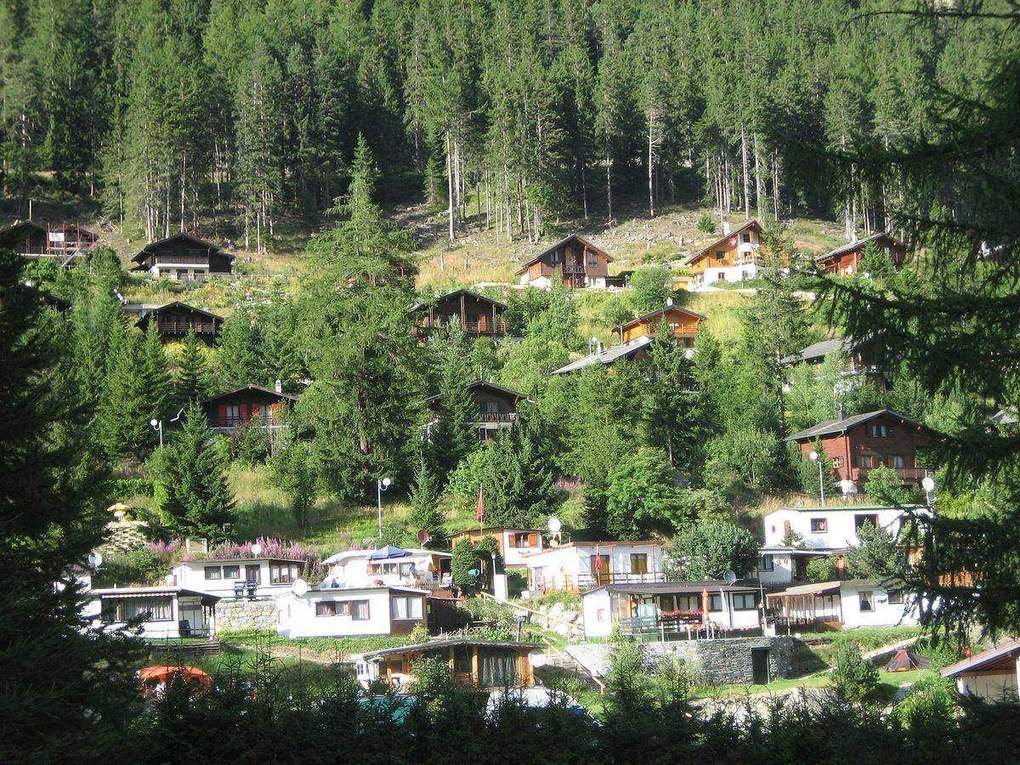
Photo: Jérôme Bon, CC BY 2.0, via Wikimedia Commons

How to capture the monthly segment
- Enable the monthly setting: on Airbnb, allow stays of 30+ nights and set a sensible monthly discount (typically 20-40%) so the platform shows you in the Monthly stays category.
- Make the apartment livable long-term: a full kitchen, washer, reliable high-speed wifi, a desk and an iron matter far more to a month-long guest than to a weekend one.
- Price for base demand, not peaks: a monthly rate should roughly equal the occupancy-stable winter rate; you capture peaks separately with nightly lets.
- Offer the right commercial terms: monthly billing, a cleaning clause, and clear house rules reduce friction and make corporate bookers comfortable.
- Market to corporates: companies place project staff for 4-12 weeks. A single repeat corporate relationship can fill weeks that would otherwise sit empty each year.
- Test alongside nightly lets: you do not have to choose. Run both channels and let the market fill the balance — nightly for peaks, monthly for base occupancy.
Want a stronger, steadier letting strategy?
RivieraHost balances nightly lets with corporate and monthly extended stays so your Montreux apartment earns through the peaks and the quiet months. We handle registration, tourist tax, turnover and guest care end to end.
Talk about your apartment
10+ years in hospitality. BBA Hospitality (Glion), MSc Tourism (FHGR), MSc Data Science (HSLU).
Also read: How much you can earn in Montreux · Choosing a management company · Montreux pricing strategy · RivieraHost corporate stays
Frequently asked questions
Are monthly and extended stays on the rise in Montreux?
Yes. Demand for furnished month-long rentals is growing on the Swiss Riviera, driven by a tight Swiss rental market (national vacancy around 1%), expat and corporate relocation, and a record tourism year (Montreux-Vevey-Lavaux reached ~760-770k overnights in 2025, +4%). Airbnb now runs a dedicated Monthly stays category in Montreux.
Can I let my Montreux apartment for 30+ nights on Airbnb or Booking?
Generally yes, if your property is compliant: registered for short-term letting in Vaud/Montreux and with tourist tax collected. Montreux has no strict 90-night cap like Geneva, but legitimacy, registration and tax compliance still apply. Confirm your building regulations first.
Is a monthly rental more profitable than nightly Airbnb lets?
Often, on a per-turnover basis: one check-in, one clean, minimal guest management versus many short stays. Guests pay less per night, but you trade occupancy certainty, fewer turnovers and lower operating costs, which can raise net margin and smooth winter occupancy.
Who books monthly rentals in Montreux?
Relocating professionals, corporate assignees and consultants, expats who cannot secure a standard Swiss lease (vacancy around 1%), digital nomads, and project or event crews, for example around the 2m2c convention centre.
Do I still need to register for tourist tax?
Yes, where a stay qualifies as tourist accommodation. In Vaud, furnished tourism letting falls under the commune’s registration and taxee de séjour regime even for extended stays. Confirm the local classification and remit accordingly.
Sources
- Swiss Federal Statistical Office (FSO) — Swiss hotel accommodation, 2025: 43.9 million overnight stays, third consecutive record — bfs.admin.ch
- Société des hôteliers Montreux — Vevey — Lavaux (SHMV) via 24 Heures / htr.ch — Montreux-Vevey-Lavaux ~760-770k overnight stays in 2025, +4%, record year (January 2026).
- Airbnb — "Monthly stays" category available for Montreux furnished rentals — airbnb.com/montreux-switzerland/stays/monthly
- Swiss rental vacancy data (national ~1%, early 2026) — Swiss Federal Statistical Office vacancy statistics / relocation market reporting.
- Swiss Code of Obligations, art. 262 (subletting requires landlord consent) — fedlex.admin.ch
Base yourself in Montreux
RivieraHost’s apartments sit steps from the lake — with kitchens, more space and better value than a hotel for families and groups. Every one is right on this guide’s doorstep.