The question comes up constantly from owners of a chalet, a holiday apartment or a lakeside flat in Switzerland: “can I short-term rent my secondary residence?” The anxiety is fuelled by the Federal Act on secondary residences, the famous “20% rule”, and by the fear that renting a second home might be illegal. This guide gives you the direct answer and the concrete steps.
Key points: in Switzerland you can, as a rule, short-term let a secondary residence. The Federal Act on secondary residences (LRS, SR 702) does not prohibit letting an existing second home — the 20% rule only restricts new construction in communes where second homes already top 20% of the stock. What you must do in practice: respect the commune’s rules (registration, possible permit), collect the tourist tax, and declare the income.
⚠️ This is general information, not legal or tax advice. The applicable rules depend on the commune, the canton, the status of your property and your personal situation. Nothing here replaces a conversation with your commune, a notary or a tax adviser.
In short: yes — owning a secondary residence does not stop you from letting it short-term. In most Swiss communes it is expressly allowed, and it is often the cleanest case for a tourist rental, because you do not need the dwelling for your everyday life.
In this guide
Short answer: yes, you can
The short answer to “can I short-term rent my secondary residence in Switzerland?” is yes — for the vast majority of owners. A secondary residence (a dwelling you keep for your own holidays, separate from your primary residence) can be let short-term, by the night, the weekend or the week, very much like a primary residence. In fact it is often the most natural case: because you do not need the property for your daily life, letting it does not conflict with your domicile or your own use.
What makes a tourist rental legitimate is not the question of whether you “may” — it is the set of obligations that accompany the activity: municipal registration, the tourist tax, and declaring the income. Get those right and your secondary residence is a perfectly lawful short-term rental.
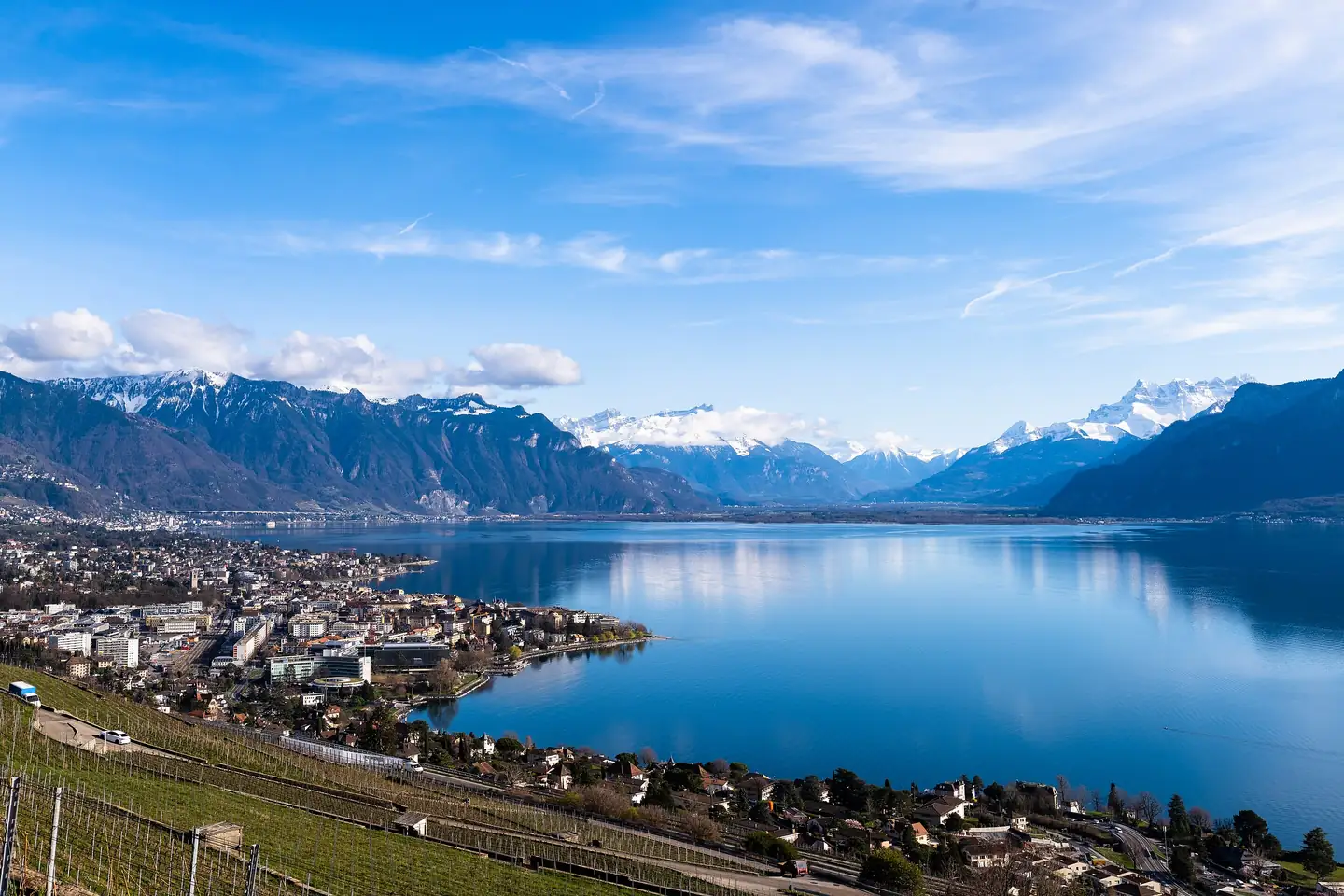
Photo : Christian David, CC BY-SA 4.0, via Wikimedia Commons
The legal basis: the LRS does not forbid it
The Federal Act on Secondary Residences (LRS, SR 702), adopted on 11 March 2012 and in force since 1 January 2016, is the law owners most often fear when they want to let a second home. A widespread belief is that the LRS “forbids” secondary residences or their letting. In reality the LRS does two narrow things: it defines a secondary residence, and it caps construction. In communes where the share of second homes exceeds 20% of the housing stock, no new secondary residence may be built.
Crucially, the LRS does not prohibit letting out an existing secondary residence. Nothing in the act stops an owner from short-term renting a chalet or apartment they already own. The 20% rule targets building authorisations, not the running of a tourist rental.
Key point: the LRS governs whether you may build a second home — not whether you may let one. If the secondary residence already exists, short-term letting it is not restricted at federal level. What applies instead is the commune’s own regulation and the tourist tax.
What the 20% rule does (and does not) do
In communes where the 20% threshold is exceeded, new secondary-residence construction is blocked; only primary residences and, under conditions, dwellings intended for tourist accommodation may still be created. A relaxation adopted by Parliament in March 2024 also allows renovating or replacing existing buildings even in those communes — including where this creates new second homes.
This matters to owners in the mountain cantons — Valais, Grisons, Bernese Oberland, parts of Ticino and Obwalden — where the share of second homes is high. On the Vaud Riviera (Montreux, Vevey, Villeneuve) the share of secondary residences is far below 20%, so the LRS does not constrain you at all, either for owning or for letting a second home.
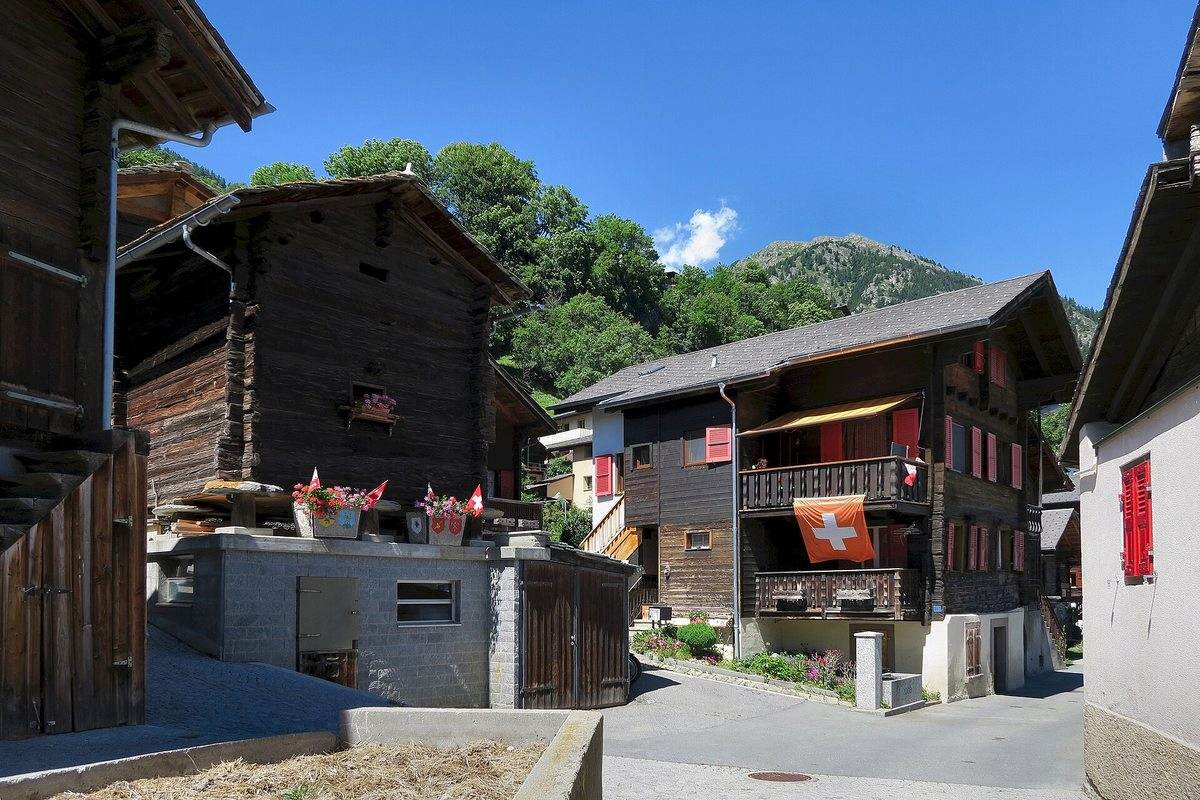
Photo: Kecko, CC BY 2.0, via Wikimedia Commons
.jpg)
What the commune requires
The real framework for letting a secondary residence is municipal. Even where federal law allows it, the commune remains sovereign over tourist accommodation on its territory. In most Swiss communes — and everywhere on the Vaud Riviera — short-term letting requires:
- Registration of the activity with the commune.
- A municipal authorisation / permit for tourist letting, often depending on the number of nights per year or of apartments operated.
- The tourist tax on overnight stays — paid by the guest, remitted by the host (directly or via the platform or a manager).
- Respect of any maximum annual letting duration the commune’s regulation sets.
See our registration and permit guide for the concrete steps in Montreux and around the lake.
Taxation of the rental income
The income from short-term letting a secondary residence is taxable — period. Whether it is CHF 5,000 or CHF 80,000 a year, the rental income belongs in your declared taxable income. Above roughly CHF 100,000 of annual turnover from the letting, VAT registration becomes compulsory in Switzerland, with the special 3.8% rate for accommodation — see our tax and VAT guide.
Two further points are particular to a secondary residence:
- Until the 2025 reform, the dwelling you occupy yourself carried a notional “imputed rental value” that was taxed — for primary and secondary residences.
- From 1 January 2029 (planned), the imputed value is abolished; tourist cantons may instead introduce a special tax on secondary residences to compensate. The reform also restricts deductions: maintenance costs of an owner-occupied home will no longer be deductible, while the costs of a let property remain deductible. So the letting status of your secondary residence has real tax consequences.
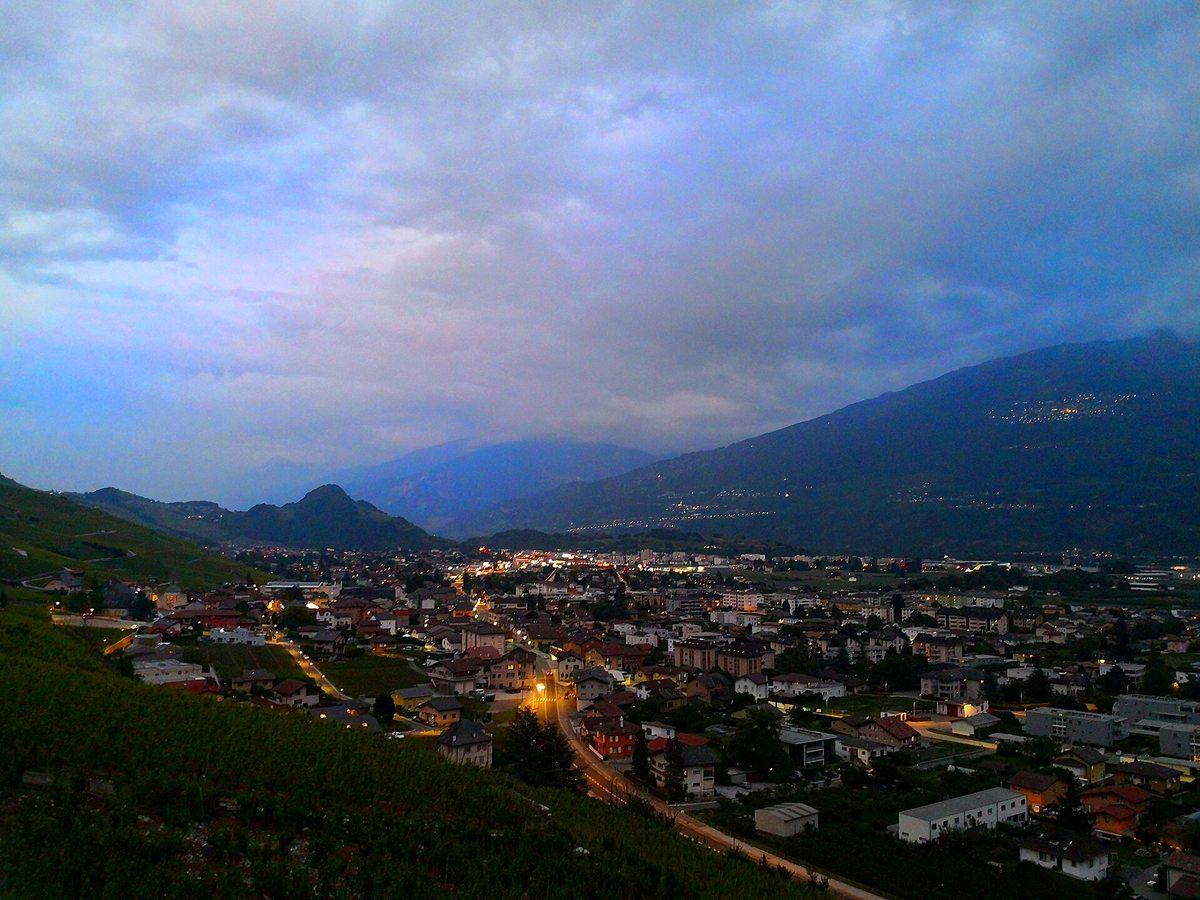
Photo: Éric Nicolas Bonvin, CC BY-SA 4.0, via Wikimedia Commons

Existing secondary residence vs a new one
The distinction that governs everything is between an existing secondary residence and a newly built one. They are not treated the same:
| Situation | What the law says |
|---|---|
| Existing secondary residence, let short-term | Allowed. The LRS is silent on letting — subject to commune rules and tourist tax. |
| New construction in a commune above 20% | Blocked, unless for primary use or tourist accommodation under conditions. |
| Renovation / replacement of an existing building (even >20%) | Allowed since the March 2024 relaxation, including where it creates new second homes. |
In plain terms: an owner who already owns a holiday chalet in Zermatt or St. Moritz can let it. The LRS affects someone who wants to build a brand-new second home in one of those communes — not someone who lets an existing one.
The Vaud Riviera and Montreux case
Montreux and the Riviera are a good example of a non-blocked but regulated framework. The share of secondary residences is well below 20%, so there is no LRS issue at all. But the commune requires a municipal authorisation and the registration of overnight stays (tourist tax) for tourist operation. Letting holiday apartments short-term is a well-established activity along the lakefront — in Villeneuve, Vevey and Montreux — described in our Vaud regulations explained guide.
For most owners the real question is not “is it legal?” but “is it worth it?” — start from your potential income in Montreux and the complete guide to renting in Montreux, then check the local rules before going further.
Checklist before you start
- Confirm the legal status of your dwelling (primary / secondary) and its zoning.
- Ask the commune about the registration and the authorisation to let short-term.
- Set up the tourist tax collection (platforms often collect and remit it for you).
- Declare the rental income in your tax return, and watch the VAT threshold.
- If the letting is continuous and dominant, treat the property as a para-hôtelier operation and act accordingly.
- Consider a local manager to handle registration, tax, listings and guest turnaround.
Estimate what your secondary residence can earn
RivieraHost manages your property end-to-end on short stays — municipal registration, tourist tax, income, listings and guest turnaround. Get an estimate of the nightly rates, occupancy and potential income for your apartment.
Estimate your rental income
10+ years in hospitality. BBA Hospitality (Glion), MSc Tourism (FHGR), MSc Data Science (HSLU).
Also read: How to legally register your apartment · Airbnb tax and VAT · Second home vs primary residence · Vaud regulations explained
Frequently asked questions
Can I short-term rent my secondary residence in Switzerland?
Yes, as a rule. The Federal Act on secondary residences does not prohibit letting an existing second home — the 20% rule only restricts new construction. In practice, what applies is the commune’s registration, any authorisation and the tourist tax.
Does the LRS ban short-term rental of second homes?
No. The 20% rule limits building new secondary residences in communes where they already exceed 20% of the housing stock. It does not regulate the letting out of a secondary residence that already exists.
Do I need a permit to let my holiday chalet at night?
Usually yes, depending on the commune: registration of the activity and often a municipal authorisation plus the tourist tax on overnight stays. On the Vaud Riviera a municipal authorisation and registration of overnight stays are required.
Is the Airbnb income from my secondary residence taxable?
Yes. Rental income, in whatever form, is taxable and must be declared. Above roughly CHF 100,000 of annual turnover, VAT registration becomes compulsory in Switzerland, with the special 3.8% rate for accommodation.
Does the 20% secondary-residence rule apply in Montreux?
No. The share of secondary residences on the Vaud Riviera is well below 20%, so the LRS neither blocks owning nor letting a second home there. What applies is the municipal authorisation and the tourist tax.
Sources
- Federal Act on Secondary Residences (LRS), SR 702, in force since 1 January 2016 — fedlex.admin.ch
- LRS relaxation adopted by Parliament in March 2024 (renovation / replacement of buildings in communes above 20% of secondary residences).
- Reform of the taxation of owner-occupied property — vote of 28 September 2025 accepted at 57.7%; abolition of the imputed rental value and a new special tax on secondary residences, entry into force announced for 1 January 2029 — Swiss Federal Department of Finance, retrieved 28 September 2026.
Base yourself in Montreux
RivieraHost’s apartments sit steps from the lake — with kitchens, more space and better value than a hotel for families and groups. Every one is right on this guide’s doorstep.