Almost every Swiss owner reaches the same fork: sign another one-year lease, or furnish the flat and let it by the night. The first option is quiet and predictable. The second sounds far more lucrative — and sometimes it is. What decides the answer is not the nightly rate. It is occupancy, and who pays for the furniture.
This comparison uses one concrete case: a 3.5-room flat in Montreux, the market RivieraHost manages in. The figures below come from our own Montreux short-term rental market dashboard 2026 and from rents currently advertised on the main Swiss portals.
Short answer: a furnished short-term let in Montreux overtakes a long-term lease at roughly 45% occupancy once commission and furnishing are paid. The market currently sits at 37.6%, which is why so many owners earn about the same either way — and why a plain lease still wins for flats that cannot hold occupancy up.
In this guide
What the flat rents for under a lease
A 3.5-room apartment in Montreux was advertised between roughly CHF 1,850 and CHF 2,600 a month in October 2026 on the main Swiss portals. Take a mid-market flat at CHF 2,200 — CHF 26,400 a year. A régie or management fee of about 6% leaves the owner roughly CHF 24,800 net.
Against that you receive an empty flat, no furniture to buy or replace, a tenant who lives there year-round and reports the defects, no guest tax to collect or declare, no listing to maintain, and a payment that arrives whether or not the lake is busy.
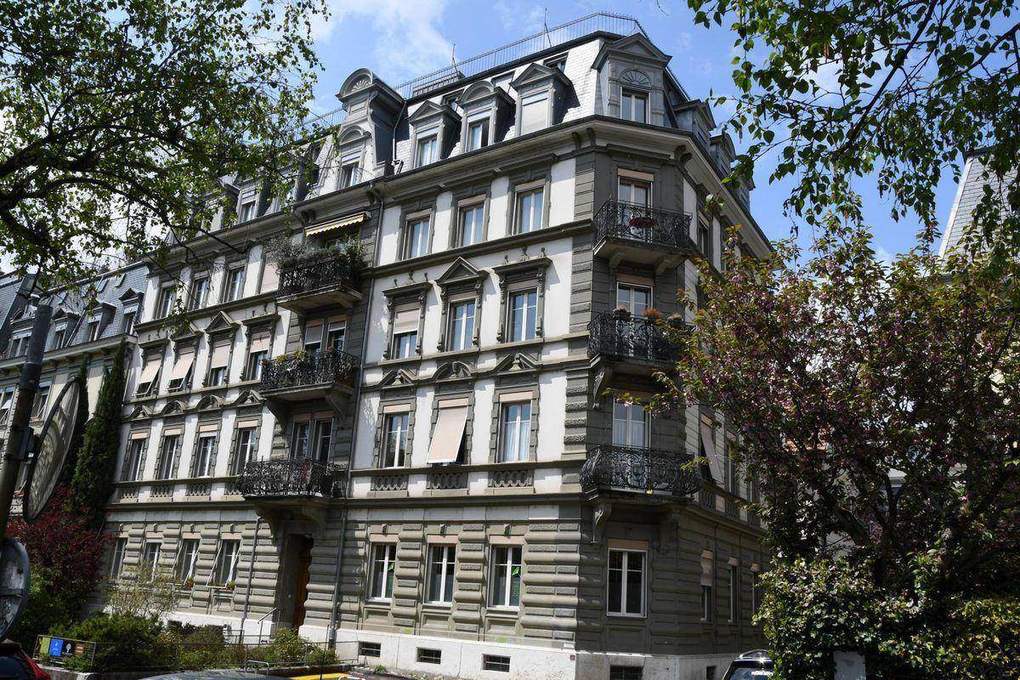
What the same flat earns by the night
The same flat, furnished and let short-term, prices at an average daily rate of CHF 252 in Montreux. Note the gap between asking and getting: the rate actually realised across the booking calendar is around CHF 240, and occupancy sits at 37.6%, down about 13% year on year (RivieraHost market dashboard, 2026).
| Line | Amount |
|---|---|
| Nights sold at 37.6% occupancy | 137 |
| Gross revenue (137 × CHF 240) | CHF 32,900 |
| Management commission (20%) | − CHF 6,600 |
| Net to owner from short-term letting | CHF 26,300 |
| Net to owner from a long-term lease | CHF 24,800 |
| Difference | + CHF 1,500 (+6%) |
Read that last line twice. At today's market occupancy, the furnished short-term version earns roughly 6% more than a plain lease — before the flat is furnished. The extra CHF 1,500 a year is real, and it is also less than one month of rent.
Why the average is not the whole story
Occupancy is the single variable that moves the result. Apartments RivieraHost manages run near 87% occupancy, roughly 34% ahead of self-managed listings — the difference being pricing discipline, a two-night minimum in the shoulder months, response speed and a listing that is actually photographed. The honest comparison for a decision made today, though, is the market average, so that is the number used below.
The occupancy at which short-term actually wins
Break-even is simple arithmetic: at CHF 240 a night, matching CHF 26,400 of lease income takes about 110 nights — 30% occupancy. Matching the CHF 24,800 net after a 20% commission takes about 129 nights, or 35%. In other words, the Montreux market as a whole is running barely above the point where a lease would have paid the same.
| Occupancy | Nights / year | Gross | Net after 20% | vs long-term net |
|---|---|---|---|---|
| 30% | 110 | CHF 26,400 | CHF 21,100 | − CHF 3,700 |
| 35% | 128 | CHF 30,700 | CHF 24,600 | − CHF 200 |
| 37.6% — market average 2026 | 137 | CHF 32,900 | CHF 26,300 | + CHF 1,500 |
| 45% | 164 | CHF 39,400 | CHF 31,500 | + CHF 6,700 |
The number that matters: furnishing a 3.5-room flat for short-term use costs CHF 25,000–40,000 — furniture, kitchen equipment, linen, blackout curtains, photography and the small repairs a guest notices and a tenant does not. Amortised over five years that is CHF 5,000–8,000 a year, which is more than the CHF 1,500 edge the market average produces. Adding it back, the practical crossover is around 45% occupancy: 164 nights, CHF 39,400 gross, about CHF 31,500 net after commission.
On an CHF 800,000 flat, the lease yields 3.3% gross and 3.1% net; short-term letting at today's average yields 3.3% net. Nearly identical returns, very different risk. To clear CHF 35,000 net at the current rate you would need about 50% occupancy — twelve points above where the Montreux market actually trades.
Costs, tax and notice that differ
Guest tax (taxe de séjour). Short-term guests pay a per-person, per-night tourist tax that the owner or manager collects and remits. Long-term tenants do not. Our guide to what an owner collects and declares in taxe de séjour sets out the Montreux Riviera rates and the reporting cycle.
VAT. Rental income is not automatically subject to Swiss VAT, but once the activity crosses the CHF 100,000 registration threshold the calculation changes — including how platform fees and cleaning are treated. See Airbnb tax and VAT in Montreux for how the threshold is assessed.
Furniture and wear. A furnished flat holds a depreciating inventory the owner replaces continuously. An unfurnished lease transfers that problem to the tenant along with the risk of a bad year.
Getting the flat back. Under the Swiss Code of Obligations an apartment lease can generally only be terminated for the locally customary date with three months' notice (art. 266c CO), and that period lengthens for leases agreed for three years or more. For a separately let furnished room, or a furnished flat let for a limited period, art. 266e CO shortens the notice to two weeks, effective at the end of a month (Fedlex, Code of Obligations). Even then a tenant can ask the conciliation authority to extend the lease where termination would cause hardship (art. 272 CO). Practical consequence: if you plan to test short-term letting later, the notice rules you signed up to are part of the decision today — which is one reason RivieraHost owner mandates run on 30 days' notice rather than a multi-year commitment.
When the lease wins, and when short-term does
A long-term lease is the better answer when:
- the flat cannot hold occupancy up — peripheral location, no view, no parking, or a building whose residents do not want short-stay guests;
- you cannot fund CHF 25,000–40,000 of furnishing plus a slow first season;
- a bad month has to be absorbed by someone else — a lease pays in February, a listing does not;
- the condominium rules (PPE) restrict or prohibit short-term letting, or your commune's authorisation is uncertain;
- you are a non-resident owner who wants no operational involvement whatsoever.
Short-term letting wins when occupancy clears roughly 45% and holds there. That is not luck: it is pricing, a two-night minimum in the shoulder months, professional photography, and answering enquiries within the hour. It is also where management earns its commission — and it is why we only take on licensed apartments, the ones holding a valid municipal authorisation to let short-term. The selection matters as much as the management: a flat that cannot legally be let by the night is a lease, however attractive the nightly rate looks.
One structural point in short-term's favour: you keep the flat available. A one-year lease — and the three-month notice that goes with it — commits the property long after your circumstances may have changed. For a furnished flat let for a limited period, art. 266e CO gives you the exit at two weeks' notice. That flexibility has a price, and the tables above are it.
Frequently asked questions
Is short-term letting more profitable than a long-term lease in Montreux?
Not automatically. At the current 37.6% market occupancy the furnished short-term version earns about 6% more than a lease — roughly CHF 1,500 a year on a 3.5-room flat — before furnishing. Once CHF 25,000–40,000 of furniture is amortised over five years, the two are close to level at today's occupancy.
What occupancy do I need to beat a long-term lease?
At an average realised rate of CHF 240 a night, break-even against a CHF 26,400 gross lease is about 110 nights, or 30% occupancy. Matching the CHF 24,800 net after a 20% commission takes about 129 nights, or 35%. Including furnishing, the practical crossover is around 45% — 164 nights and roughly CHF 39,400 gross.
How much notice does a tenant have to give in a furnished flat in Switzerland?
For a separately let furnished room, or a furnished flat let for a limited period, art. 266e CO sets two weeks' notice to the end of a month. A standard apartment lease instead runs on three months' notice to the locally customary date under art. 266c CO, and longer if the parties agreed three years or more.
Can I switch from a long-term lease to short-term letting later?
Yes, once the tenant has left — but three things have to line up first: your commune's authorisation for short-term letting, the building's condominium rules if it is a PPE, and whether the canton treats your district as a housing-shortage area with a 90-day cap. Sign the lease with the exit in mind rather than assuming the switch will be available.
Related reading: Montreux short-term rental market dashboard 2026 · How much can you earn with an Airbnb in Montreux? · Airbnb tax and VAT in Montreux · Free revenue estimate

10+ years in hospitality. BBA Hospitality (Glion), MSc Tourism (FHGR), MSc Data Science (HSLU).
Lease or short-term let?
Send us the address or the listing. We will model short-term income at realistic occupancy, put it next to the lease figure, and tell you plainly if a long-term tenant is the better answer for your flat.
Get your free revenue estimateBase yourself in Montreux
RivieraHost’s apartments sit steps from the lake — with kitchens, more space and better value than a hotel for families and groups. Every one is right on this guide’s doorstep.