Direct answer: accepting well-behaved dogs can widen your pool of guests in Montreux, but only if your building rules allow it, you charge a pet fee that covers the extra cleaning, and your insurance and house rules are clear 1. If your apartment has carpets, delicate furniture or neighbours who object, “no pets” is a perfectly reasonable policy. Whatever you choose, state it plainly in the listing.
Montreux is a walking town: lakeside promenades, vineyard paths in Lavaux and mountain trails above the town make it natural for guests to travel with a dog. For owners, the question is not whether demand exists but whether the extra work and risk are worth it for your apartment. This guide sets out the decision in practical terms.
In a nutshell: check the building rules first, set a clear pet fee and limits (number, size, no furniture, no unattended pets), plan a deeper clean after pet stays, and always accept genuine service animals. Where the building or lease says no, the answer is no.
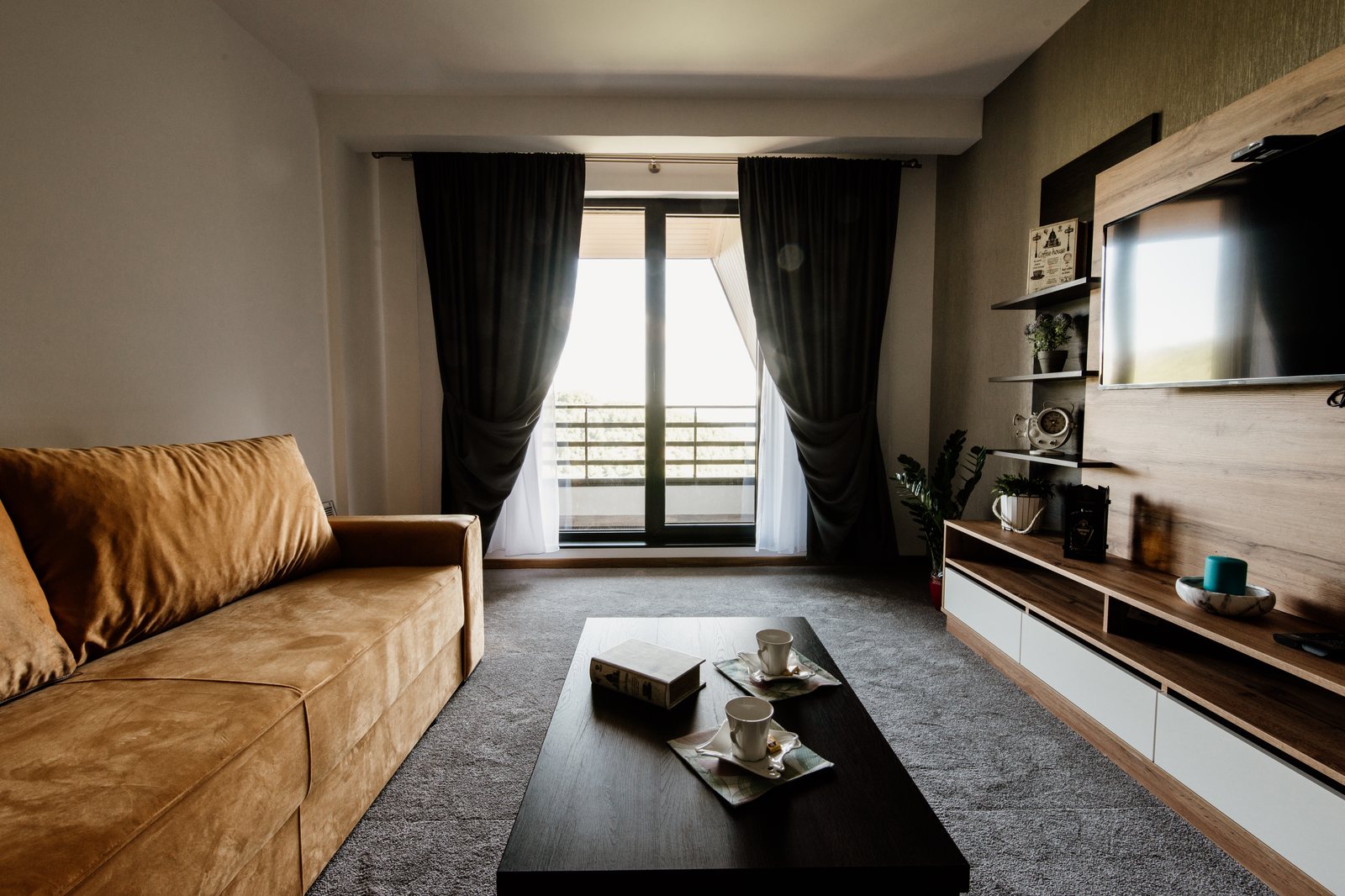
Photo: Shixart1985, CC BY 2.0, via Wikimedia Commons.

Step 1: check what you are actually allowed to do
- Condominium rules (PPE): the building’s regulations may restrict or forbid pets. Read them before changing your listing — see our guide to short-term rental in a Swiss condominium.
- Lease or sublet: if you rent the apartment yourself, your own lease may prohibit pets or short-term letting altogether.
- Neighbours: barking is one of the most common sources of complaints. See our guide to neighbour complaints before you accept dogs.
Step 2: set the policy on the platform
On Airbnb you control pets through your house rules and an optional pet fee 2. Be explicit: say how many pets are allowed, whether size limits apply, and that pets must not be left alone in the apartment or sit on beds and sofas. Genuine service animals are not pets: platform policy requires hosts to accommodate them even when the listing says “no pets”, so confirm the current rules in your host account 2.
| Choice | Upside | Downside |
|---|---|---|
| No pets | Simplest cleaning; no allergy risk; fewer noise complaints | Misses guests who travel with dogs |
| Dogs allowed with fee and limits | Wider audience, longer stays, repeat guests | More cleaning, wear and a need for clear rules |
| Allowed without limits | Maximum visibility to pet owners | Highest risk of damage and complaints; not recommended |
Step 3: price the extra work
A pet fee is there to cover deeper cleaning (hair, odour, floors, upholstery), not to be a profit centre. As an indicative approach, many managers set a flat fee per stay or per pet that roughly equals the extra cleaning time; for Montreux apartments we typically think in terms of a modest per-stay fee rather than a percentage of the nightly rate. These are operating guidelines rather than published statistics, so test the level against your own cleaning costs. Keep the deposit and damage process in place — see our guide to security deposits and damage claims.
Step 4: understand the Swiss dog rules
- Identification: dogs in Switzerland must carry a microchip and be registered in the national AMICUS database 3. Guests travelling with a dog should have their paperwork in order; you can ask them to confirm this in your house rules.
- Dog tax: the tax is set by each commune and is typically in the range of about CHF 100 to 200 per year 4. It concerns the dog’s keeper, not a visiting guest, so it should not change your costs as host — if in doubt, ask the commune.
- Cats and other pets: there is no national registration duty for cats, so ask guests which animals they are bringing.
Step 5: protect yourself and the apartment
- Insurance: confirm with your insurer how pet damage and liability are treated for short-term letting; see our insurance guide.
- Furnishing: hard floors, washable throws and wipeable sofa covers make pet stays much easier to turn around.
- Cleaning: brief your cleaners to vacuum thoroughly, wash throws and check under furniture after every pet stay. Allergic guests who follow a pet stay deserve a particularly careful reset.
- Guest information: give dog-friendly walks, the nearest vet and waste-bag points in your digital guidebook; it is also good for reviews.
So should you accept dogs?
If your building allows it, you have hard-wearing floors and you are willing to enforce clear rules, a pet-friendly policy with a fee is a reasonable way to differentiate in a busy market. If not, stay “no pets” and say so clearly. Either way, the worst outcome is an unclear listing.
Not sure which house rules fit your apartment?
RivieraHost sets house rules, pet fees and cleaning protocols for Montreux owners as part of full management. Tell us about your property and we will recommend a policy.
Talk to RivieraHostFrequently asked questions
Can I refuse pets in my Montreux Airbnb?
Yes. You can set a no-pets house rule, but genuine service animals are not pets and platform policy requires hosts to accommodate them. Check your building rules and the current platform policy.
Should I charge a pet fee?
Usually yes. A pet fee covers the extra cleaning after a stay with a dog. Set it against your own cleaning costs and state it clearly in the listing.
Do I need to check my building rules before accepting dogs?
Yes. The condominium regulations or your lease may forbid pets, and these override your listing choices.
Are dogs in Switzerland registered?
Yes. Dogs must have a microchip and be registered in the AMICUS database. The dog tax is set by the commune, typically around CHF 100 to 200 per year.
Does insurance cover pet damage at my rental?
It depends on your policy. Ask your insurer how pet damage and liability are treated for short-term letting before you accept pets.
Sources
Base yourself in Montreux
RivieraHost’s apartments sit steps from the lake — with kitchens, more space and better value than a hotel for families and groups. Every one is right on this guide’s doorstep.